Moving to the Netherlands is exciting, but the first weeks can also feel like a long to-do list. Between finding your way around, starting a new job, arranging official documents, and getting used to Dutch daily life, it can be difficult to know where to start and you may feel overwhelmed or alone.
The good news is that everything does not have to be arranged at once. The first 30 days are mainly about getting the most important practical matters in place, while also giving yourself time to explore your new surroundings and slowly build a routine.
In this guide, we explain what expats should arrange during their first month in the Netherlands, from registration and health insurance to transport, banking, and settling into daily life.
Register at the municipality
One of the first and most important steps after arriving in the Netherlands is registering at the municipality where you live. If you are staying in the Netherlands for more than four months, you need to register in the Personal Records Database, also known as the BRP. Holland Expat Center South explains that registration should be done within five days of arriving in the Netherlands. During this process, you receive your BSN, which is your citizen service number.
Your BSN is important because you need it for many practical matters, such as working, opening a bank account, arranging health insurance, and dealing with government services.
If you live in the Brabant region, Holland Expat Center South can be a helpful starting point. They are a non-profit governmental agency that supports international knowledge workers and their families before arrival, on arrival, and after arrival in Noord-Brabant. They also offer information about topics such as BSN, residence permits, driving licences, learning Dutch, and more.
Arrange your residence permit, if needed
Depending on your nationality and reason for moving, you may need a residence permit or work permit. For EU citizens, the process is usually different from non-EU citizens. Many non-EU internationals move through an employer or recognized sponsor, which means some steps may already be prepared before arrival.
If you still need a residence permit, make sure you know which steps you need to take after arrival. This may include collecting your residence document, giving your fingerprints, or attending an appointment. Holland Expat Center South can help with several formalities and offers combined appointments for certain internationals, making the process easier to arrange.
Open a Dutch bank account
A Dutch bank account makes daily life much easier. You will often need it for receiving your salary, paying rent, setting up utilities, and using payment systems in the Netherlands.
Most banks ask for documents such as proof of identity, a BSN, and proof of address. Some banks may allow you to open an account before you have your BSN, but then you usually need to provide it later. For example, ABN AMRO states that you can open an account without a BSN, but you must provide your BSN within 90 days.
Because bank requirements can differ, it is smart to check the conditions of the bank you want to use.
Arrange health insurance
Health insurance is another important step. If you come to live or work in the Netherlands, you are generally required to take out Dutch health insurance. According to the Dutch government, you have four months to arrange a Dutch health insurance policy, but the coverage must start from the day you arrive. You also need to register with the municipality.
This can feel like one of the more serious tasks, but it is good to arrange it early. Once your BSN and registration are in place, you can compare providers and choose a basic health insurance package that fits your situation.
Apply for DigiD
DigiD is your digital login for many Dutch online services. You use it to identify yourself when arranging matters with government organizations, healthcare institutions, education, and pension funds.
Once you have your BSN, applying for DigiD is a useful next step. It will ,make many future administrative tasks easier, such as managing health insurance, taxes, municipal services, and official letters.
Set up utilities and internet
If utilities are not included in your rental contract, you may need to arrange gas, water, electricity, and internet yourself. Always check your rental agreement carefully to see what is included and what you need to arrange separately.
For furnished or short-stay accommodation, utilities are often already included, but for long-term rentals this can differ. Taking the time to check this early helps avoid unexpected costs or delays.
Learn how to get around
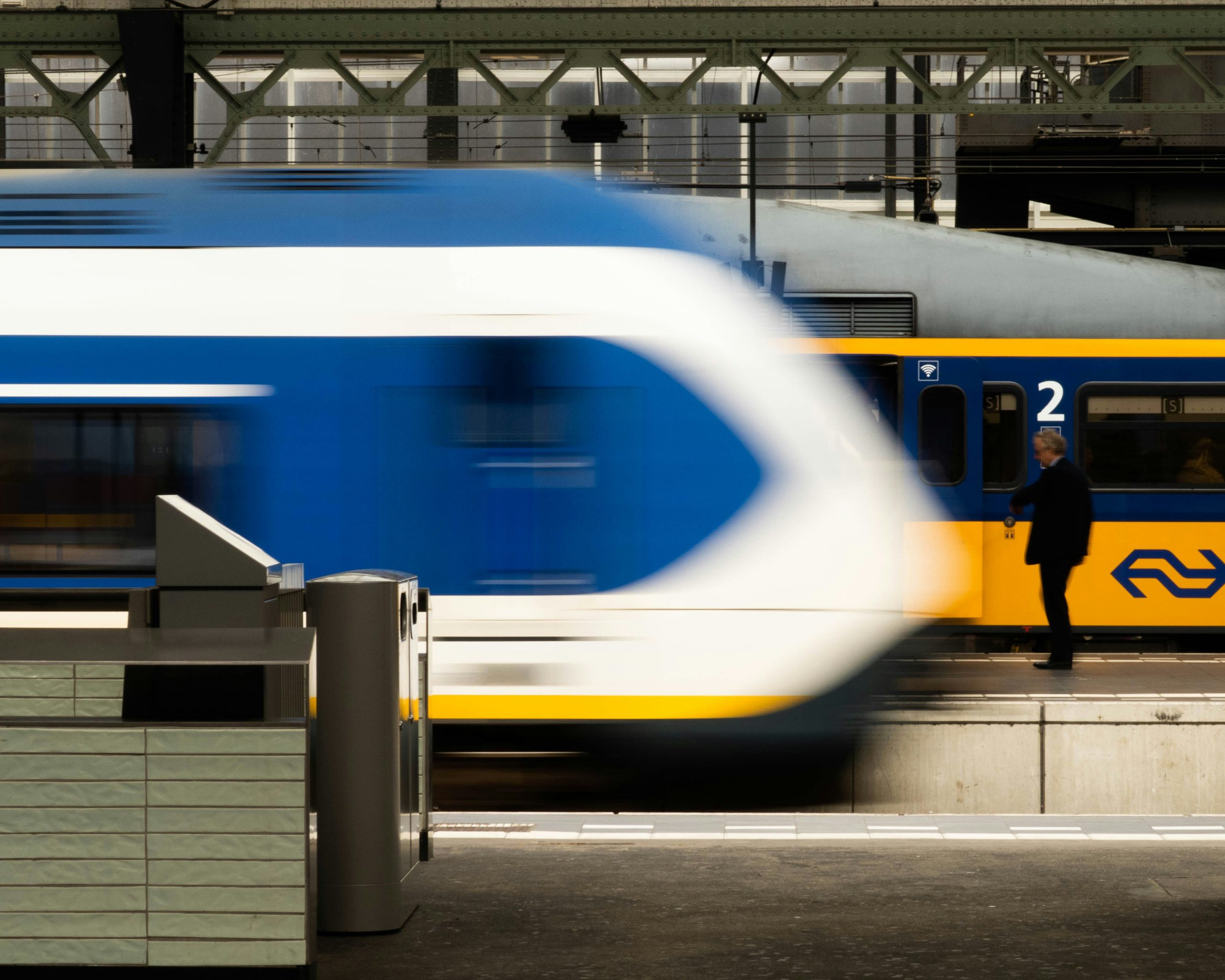
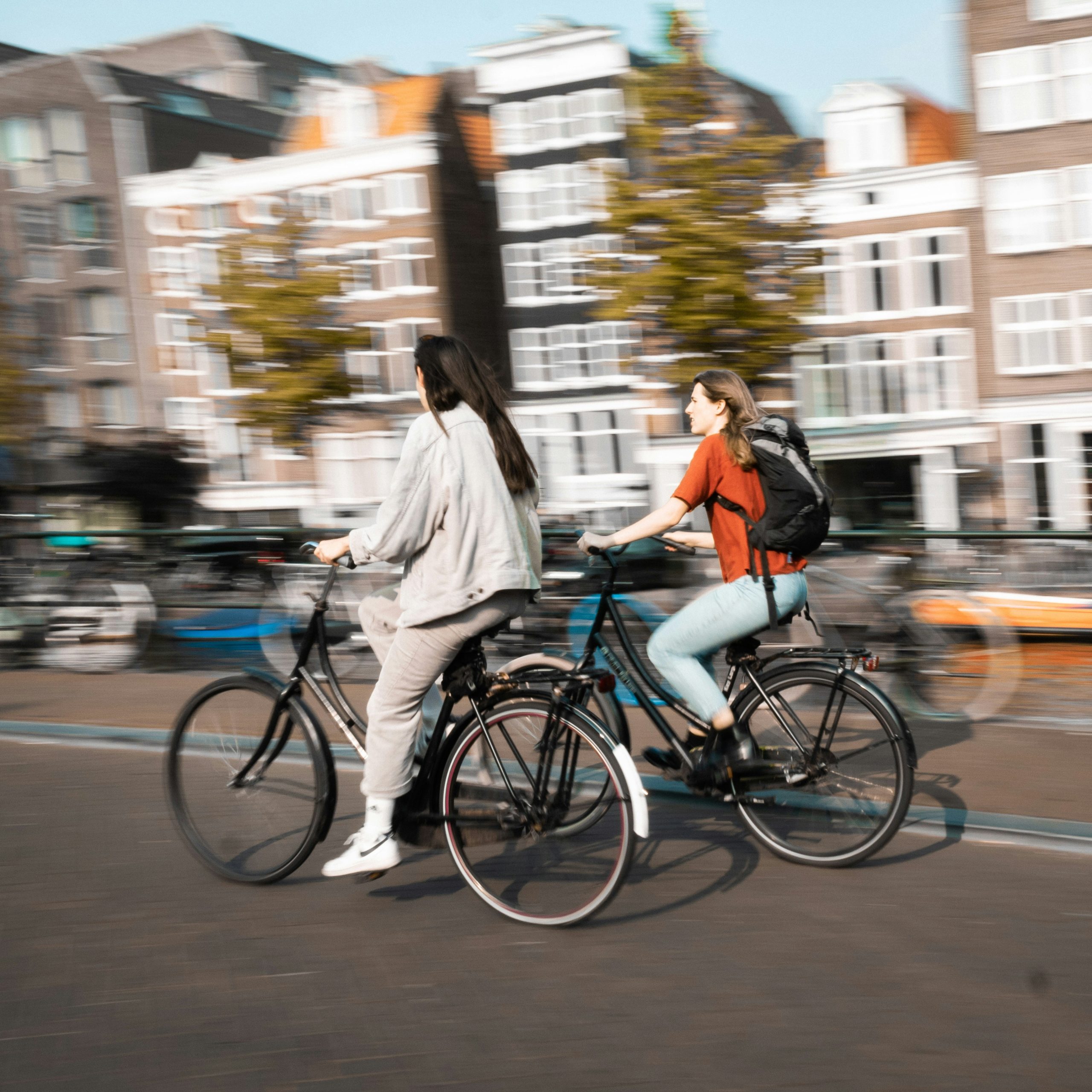
The Netherlands is very well connected by public transport, and many cities are easy to explore by bike. During your first month, it is useful to try and get familiar with trains, buses, and cycling.
Getting an OV-chipkaart or using contactless payment for public transport can make traveling much easier. It is also worth exploring your local train station and seeing which cities are nearby for a weekend trip.
And this is where the fun part starts: choose one city or town you have not visited yet and plan a simple day trip. It helps you feel less like you are only “arranging things” and more like you're actually startingyour life in the Netherlands.
Find local essentials
The first 30 days are also about creating a small daily routine. Find your nearest supermatket, pharmacy, gym, general practitioner, coffee spot, and public transport stop.
Registering with a GP, known as a huisarts, is also recommended once you know where you will be living. The GP is usually your first point of contract for non-emergency medical care in the Netherlands.
Make space for social life
Settling in is not only about paperwork. Meeting new people and exploring your new environment are just as important. Look for local expat groups; international meetups, sports clubs, language cafés, or events in your city.
Try to plan something light in your first month: a walk through the city center, a coffee with a colleague, or a weekend market. These small moments help balance the practica; side of relocation.
The first 30 days in the Netherlands can feel busy, but they do not have to feel overwhelming. The most important things to arrange are your municipal registration, BSN, residence documents if needed, bank account, health insurance, DigiD, utilities, and local essentials.
At the same time, make sure to not forget to enjoy your new surroundings! Explore your city, take the train somewhere new, and start building small routines that make the Netherlands feel more like home.
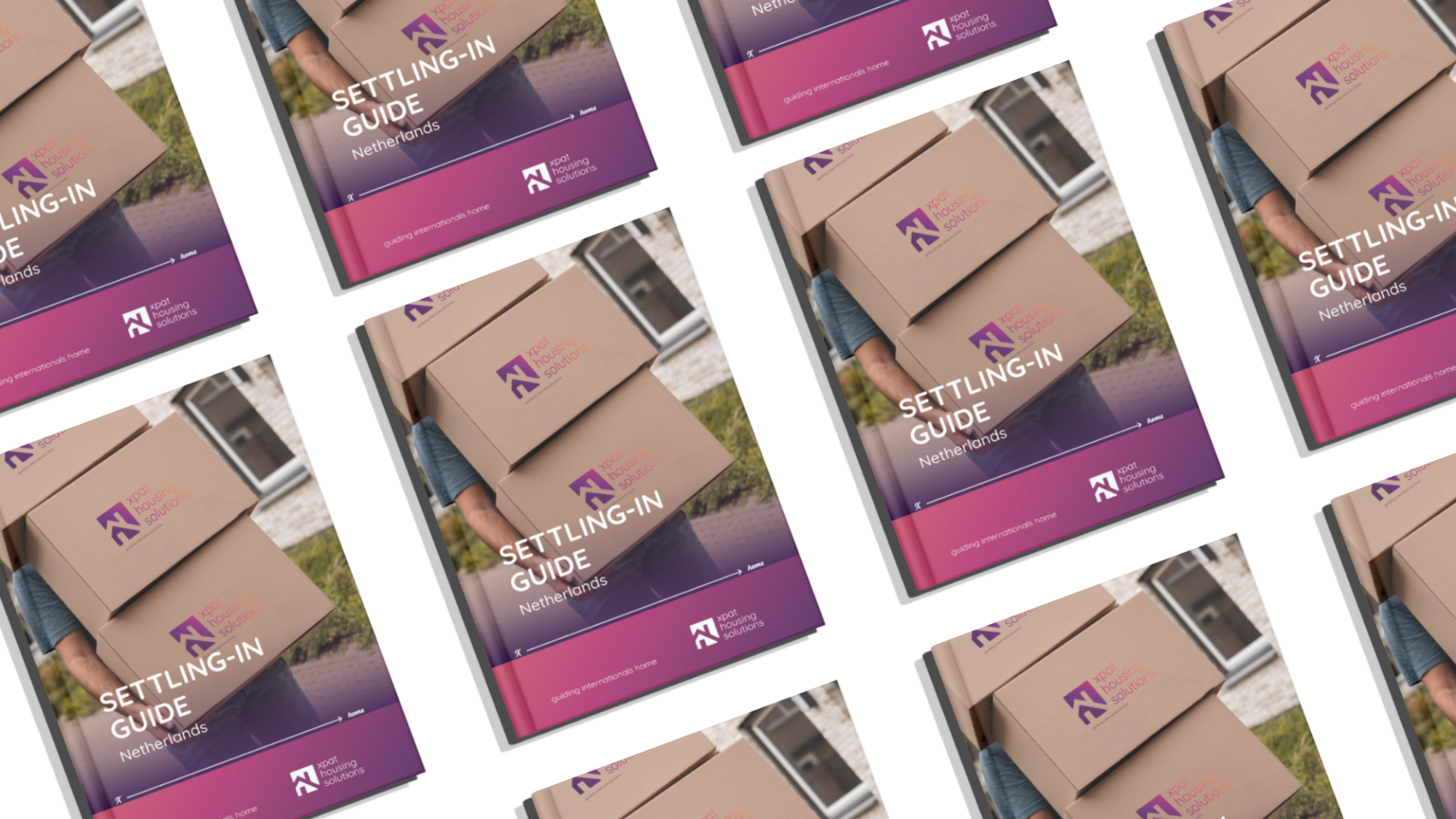
At Xpat Housing Solutions, we help internationals find housing and try to make settling in a bit more easy.