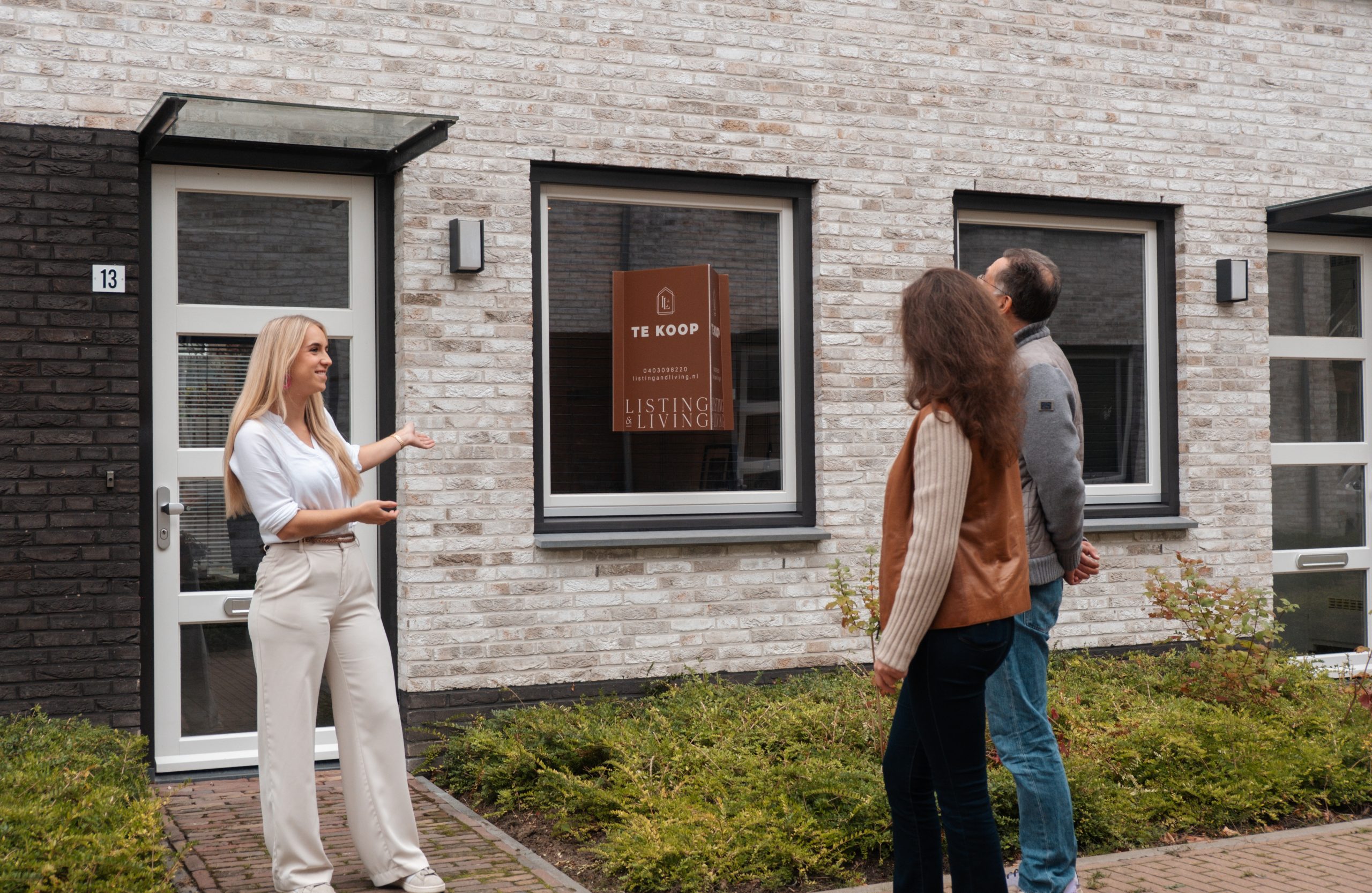
Can expats buy a property in the Netherlands? It may seem complicated or out of reach. A lot of questions like legal requirements, mortgages, and residency often create uncertainty. Especially if you have just moved, or if you are planning to relocate. The home buying process may look different from what you are used to in your home country. Understanding how the system works, what requirements apply, and what options are available can help expats make informed decisions.
In this guide we explain whether expats can buy property in the Netherlands, what factors play a role, and what to consider before taking the next step toward homeownership.
Can expats buy property in the Netherlands?
The simple and short answer is yes. There are generally no restrictions based on nationality, which means both EU and non-EU citizens are allowed to purchase a home. However, while it is possible, the process depends on several practical factors; your financial situation, employment status, and whether you are planning to stay in the Netherlands short-term or long-term. In many cases, securing a mortgage is an important part of the process, and lenders will assess your income and stability rather than your nationality.
EU vs non-EU buyers
When buying a property in the Netherlands there is generally no strict legal distinction between EU and non-EU buyers when it comes to ownership. However, in practice, there can be some differences.
EU citizens often face fewer administrative requirements. Non-EU expats may need to provide additional documentation, particularly when applying for a mortgage. This documentation can include proof of residency or a valid residence permit.
The key takeaway is that while the process may involve slightly different steps, both EU and non-EU expats can buy property in the Netherlands.
Do you need a residence permit to buy property?
In most cases, you do not need a residence permit to purchase a home. But it can play an important role in the overall process, especially for financing the property.
As mentioned, when applying for a mortgage, lenders may require proof of legal residency, such as a valid residence permit. Or they may even require a Dutch BSN number, and a local bank account. These elements help demonstrate that you can live and work in the Netherlandson a more stable basis.
So, while buying without a residence permit is technically possible, having the correct documentation in place can make the process significantly smoother. Understanding these requirements early helps expats prepare properly and avoid delays.
Mortgage possibilities for expats in the Netherlands
For most expats, obtaining a mortgage is an essential part of buying property in the Netherlands. This is becoming increasingly relevant, as recent data from Pararius shows that rental prices in the Netherlands are rising faster than house prices, making buying a more attractive option for many expats. The good news is that you can often qualify for a mortgage if you meet certain financial requirements.
Having a contract with a Dutch employer is often beneficial, because it provides reassurance to lenders. However, with a temporary contract you may still be eligible, especially if an employer can provide an intention declaration. An intention declaration is a document signed by the employer stating that they intend to keep the employee employed in the future. It shows the bank that the temporary contract may become permanent.
The amount you can borrow depends on your income, financial commitments, and overall situation. Because mortgage rules can vary between lenders, working with a specialist can help clarify your options. At Xpat Housing Solutions, we collaborate with a trusted mortgage partner; Expat Mortgages South. They support expats in understanding their borrowing capacity and navigating the application process.
Frequently asked questions
1. Do I need a residence permit to buy a house in the Netherlands?
No, you don’t legally need a residence permit to buy property. However, having a valid residence permit is often required for mortgage applications and to open a Dutch bank account.
2. Can non-EU expats get a mortgage in the Netherlands?
Yes. Non-EU expats may need additional documentation, such as proof of legal residency or an intention declaration from their employer. A specialist mortgage advisor can help navigate these requirements.
3. How much can expats borrow for a mortgage in the Netherlands?
The amount you can borrow depends on your income, financial commitments, and employment status. Mortgage eligibility differs between lenders, so working with an expat-focused mortgage partner is recommended.
4. Are there differences between buying property in big cities versus smaller towns?
Yes. Competitive markets like Amsterdam, Utrecht, and Rotterdam can make it more challenging for expats to secure a property. Local agents experienced with expat buyers can help you navigate city-specific regulations and opportunities.
Conclusion
Buying property in the Netherlands as an expat is often possible, but it depends on multiple different factors, like financial situation, employment status, and long-term plans. Understanding the differences between short-term and long-term decisions, as well as the role of mortgages and documentation, is key to making informed decisions.
While the process may seem complex at first, the right preparation and buying guidance can make a significant difference. At Xpat Housing Solutions, we support internationals in navigating the Dutch housing market, helping them understand their options and take the next step with confidence. With the right approach, buying a home in the Netherlands can become a realistic and well-structured process.